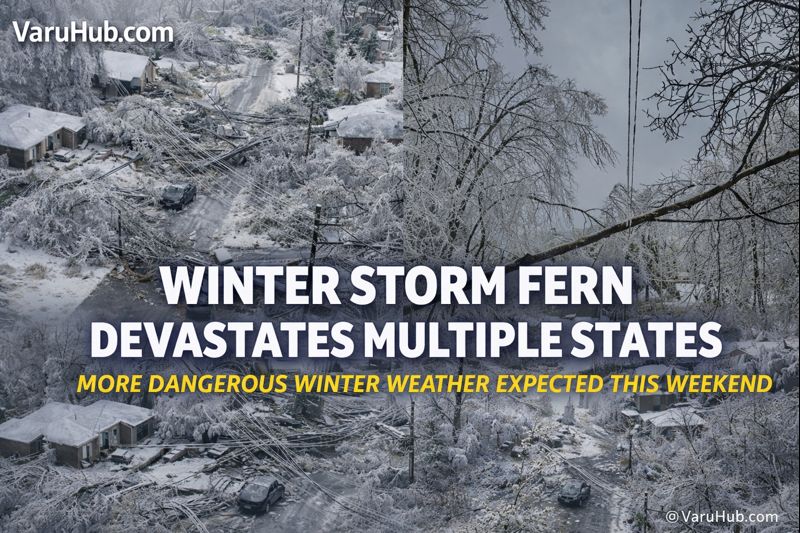
Nationwide Winter Storm Update: Winter Storm Fern Aftermath and Ongoing Severe Cold Threat
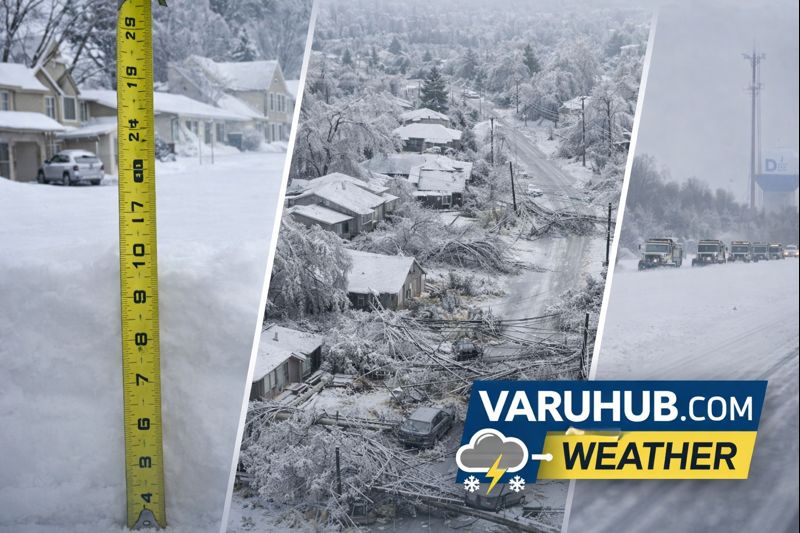
A historic winter weather event continues to impact large portions of the southern and central United States as Winter Storm Fern and an accompanying Arctic air mass leave deadly conditions, widespread infrastructure damage, and ongoing emergency response operations across Tennessee, Mississippi, Kentucky, Louisiana, and surrounding states. While some road conditions are slowly improving, dangerously cold temperatures, lingering ice, power outages, and additional winter systems remain a major concern.
Tennessee: Historic Storm Response Continues
The Tennessee Highway Patrol (THP) reports that since 3 a.m. CT on January 24, 2026, troopers have responded to 3,514 calls for service and assisted more than 1,660 motorists during one of the most severe winter storms in recent state history.
Statewide THP Impact Includes:
• 2 fatal crashes (weather-related cause pending determination by the Tennessee Department of Health)
• 84 injury-related crashes
• 400 property-damage crashes
• 1,660 motorist assists
• 198 abandoned vehicles
• 326 roadway obstructions, many caused by fallen trees
• 2 vehicle fires
Troopers have worked continuously to clear trees and hazards, restore roadway access for utility crews, assist stranded drivers, transport residents to warming centers, and conduct welfare checks on individuals who have not been heard from since the storm began.
More than 65 welfare checks have already been completed in coordination with the Tennessee Office of Homeland Security and other partners. Tennessee has activated the TBI Family Reunification Hotline (1-800-TBI-FIND) for only the third time in state history, allowing families to locate loved ones impacted by the storm.
Despite improving conditions on some routes, authorities continue to urge residents to avoid travel unless absolutely necessary.
Tennessee National Guard: Large-Scale Emergency Support
The Tennessee National Guard remains actively deployed across Middle and West Tennessee, including Nashville and Memphis, at the request of the Tennessee Emergency Management Agency (TEMA).
Guard operations include:
• Transporting stranded motorists
• Conducting health and welfare checks
• Moving medical personnel to hospitals
• Clearing debris and assisting utility crews
• Establishing and operating warming centers
• Supporting the American Red Cross
In Shelby County, Guardsmen have:
• Assisted more than 20 stranded citizens
• Recovered nearly 220 motorists
• Transported 280+ healthcare and emergency workers
• Helped manage multiple warming centers
“Our Guardsmen prepared before the storm hit and have been operating around the clock since,” said Maj. Gen. Warner Ross, Tennessee’s Adjutant General.
TDOT: Massive Road Clearance Effort Underway
The Tennessee Department of Transportation (TDOT) is now in day seven of continuous statewide operations.
TDOT Effort by the Numbers:
• 39,000 equipment hours
• 71,000 labor hours
• 61,000 tons of salt
• 1.4 million gallons of brine
• 510,000+ miles of roadway treated
• 2,300+ incidents managed
• Thousands of trees cleared
Governor Bill Lee has signed Executive Order 111, allowing TDOT to assist on non-state roads when requested through TEMA. While interstates are improving, secondary roads remain hazardous, especially for power restoration crews.
Mississippi: Death Toll Reaches 10 as Damage Assessments Continue
Mississippi officials confirmed six additional storm-related deaths, bringing the statewide total to 10, along with 14 confirmed injuries.
The Mississippi National Guard has deployed 500 Soldiers, aviation assets, and logistical teams to assist with:
• Route and debris clearance
• Generator installation
• Medical transport
• Supply distribution
Statewide Impacts Include:
• 208 homes, 5 businesses, and 7 farms damaged or destroyed
• 20 public roads with major damage
• 12 roads destroyed
• 106,100 power outages, down from 180,000
MDOT has mobilized nearly 600 maintenance workers and 120 snowplows, clearing 15,000 lane miles and 3,000 bridges, while managing closures on I-55 and I-22 due to ice and stalled traffic.
Mississippi has deployed FEMA-supported resources, including:
• 90 generators
• 128,000 bottles of water
• 107,520 meals
• 2,178 cots
• 9,000 blankets
• 3,360 tarps
SNAP recipients affected by extended outages may apply for replacement benefits by February 3, 2026.
Kentucky: Dangerous Cold Persists as Fatalities Mount
Kentucky officials report at least 10 storm-related deaths, with dangerously cold wind chills expected to continue into the week.
Key Impacts:
• 741,000 miles plowed statewide
• 12,610 power outages, down from nearly 74,000
• 117 warming centers currently operating
• 885 people sheltered in warming centers overnight
Kentucky State Police have handled:
• 9,691 storm-related calls
• 448 wellness checks
• 649 motorist assists
Black ice, refreezing roads, and water system disruptions remain a concern. Several counties are under boil water advisories, impacting more than 11,000 customers.
Governor Andy Beshear has declared a state of emergency, activated price-gouging protections, and begun joint FEMA damage assessments.
Louisiana: FEMA Expands Federal Support
FEMA and federal partners continue supporting Louisiana’s state-led response under the direction of Governor Jeff Landry.
Federal actions include:
• Staging 500 generators
• Delivering 700,000+ meals
• Providing 1.1 million liters of water
• Deploying 4,600 blankets and 3,500 cots
• Installing 13 emergency generators at critical facilities
FEMA coordinated rapid assistance from the U.S. Department of Transportation to restore traffic flow on Interstate 20 following severe icing.
Looking Ahead: Additional Winter Weather Threats
Meteorologists warn that another Arctic system could bring renewed snow, ice, and dangerously cold temperatures to parts of the South and Midwest. Emergency officials stress that recovery efforts remain fragile and could be disrupted by additional precipitation or refreezing.
Residents are urged to:
• Limit travel
• Monitor local emergency updates
• Use generators safely
• Check on vulnerable neighbors
• Seek warming centers if needed
This winter storm sequence continues to rank among the most impactful multi-state winter events in recent years, with response and recovery efforts expected to continue well into the coming weeks.
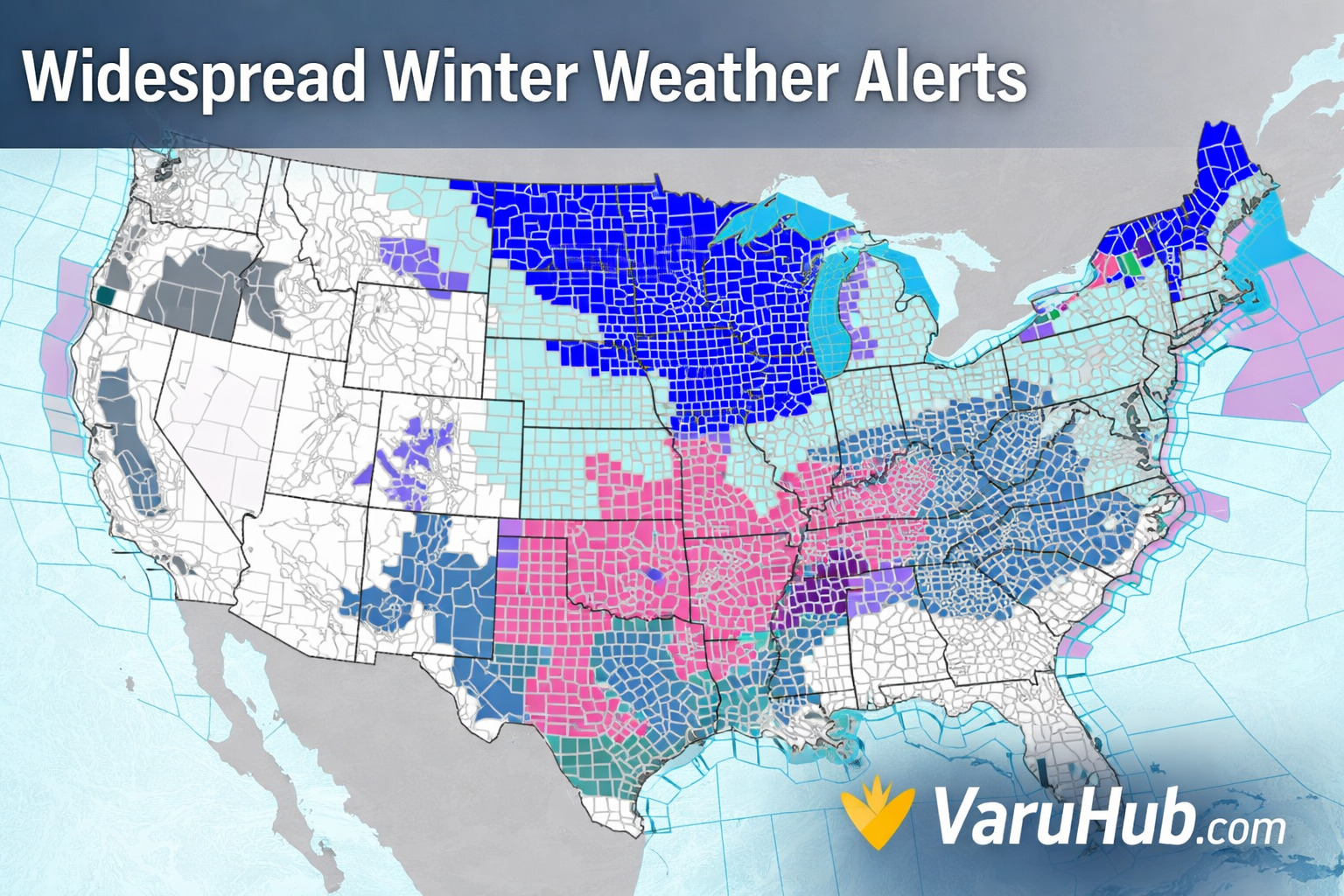
NEW WEEKEND WINTER STORM THREAT (JAN. 31 – FEB. 1)
Meteorologists are now tracking a rapidly intensifying bomb cyclone expected to develop off the Carolina coast late this week. This system has the potential to become the next major winter storm, compounding impacts in regions already dealing with snow, ice, and extreme cold.
Forecast Impacts Include:
• Significant snowfall (6 inches or more) with potential white-out conditions
• Highest impacts expected across:
◦ Northern Georgia
◦ The Carolinas
◦ Southern Virginia
• Potential major disruptions along the I-95 corridor, stretching from Washington, D.C. to Boston, depending on the storm’s exact track and intensity
Forecasters warn that even small shifts in the storm’s path could dramatically change snowfall totals and impact zones. Residents in the Southeast and Mid-Atlantic are urged to prepare now and closely monitor updates.
How to Stay Informed
Officials across multiple states emphasize that staying informed is critical as conditions continue to evolve and new storms approach.
Residents are strongly encouraged to track:
• Real-time radar
• Local impacts
• National Weather Service warnings and alerts
Use VaruHub Weather for Weather Updates
View Interactive Weather Radar & Alerts at VaruHub Weather
VaruHub Weather provides interactive radar, up-to-date forecasts, and official National Weather Service alerts, helping residents stay ahead of rapidly changing winter conditions, especially as the next storm system approaches this weekend.

Discussion
Please log in to join the conversation.